
Tile failures often stem from inadequate subfloor prep, moisture damage, and improper installation techniques. You’ve got to guarantee the subfloor is clean, level, and structurally sound. Waterproofing is essential to prevent costly water seepage and tile delamination. Selecting the right tile material for your needs and following best practices for layout, adhesive, and grouting can go a long way in avoiding cracks, lippage, and premature wear. Keep reading to dive deeper into the top causes of tile failures.
Key Takeaways
- Inadequate subfloor preparation, including uneven surfaces, moisture issues, and structural deficiencies, can compromise tile installation and lead to cracking, shifting, and failure.
- Water damage from plumbing leaks, condensation, and inadequate waterproofing can severely damage the substrate, causing costly tile failures.
- Improper tile selection and installation techniques, such as incorrect adhesive application and grouting methods, can result in premature tile cracking and delamination.
- Thermal expansion and environmental factors, like temperature fluctuations and humidity changes, can create stress on tiles, leading to cracks, separation, and overall tile failure.
- Insufficient maintenance, exposure to harsh chemicals, and heavy foot traffic can wear down tile surfaces, causing discoloration, pitting, and structural compromise.
Improper Subfloor Preparation
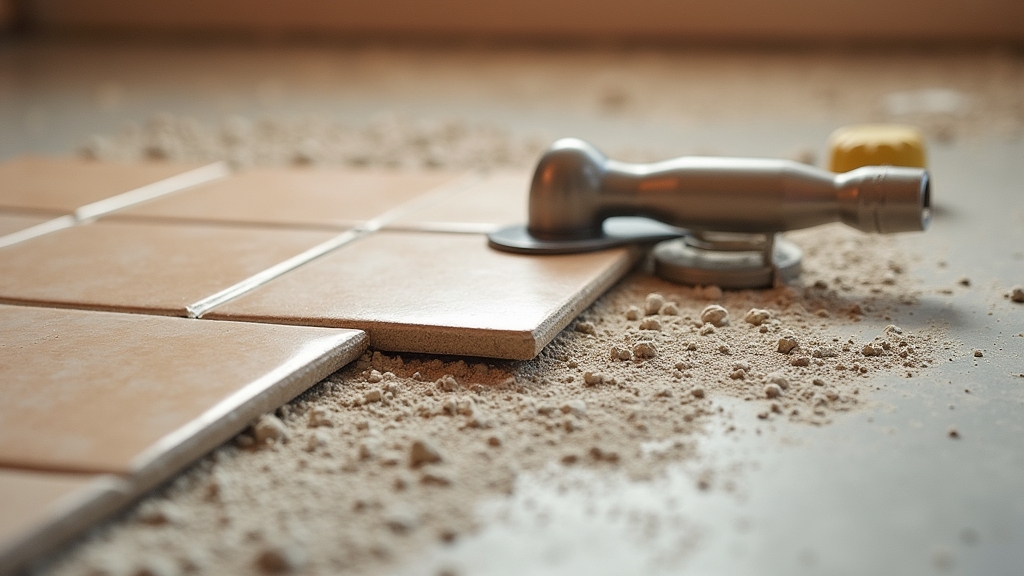
One of the primary causes of tile failure is improper subfloor preparation. Conducting a thorough subfloor assessment is vital before installing tiles. The subfloor must be clean, level, and structurally sound.
Using the right subfloor materials, such as concrete, plywood, or cement backerboard, is essential. Failing to address subfloor issues like cracks, uneven surfaces, or moisture can lead to tile cracking, shifting, or debonding.
Take the time to properly prepare the subfloor, and you’ll enjoy a long-lasting, beautiful tile installation. Skimping on this vital step often results in premature tile failure, which can be both costly and frustrating to fix.
Moisture and Water Damage
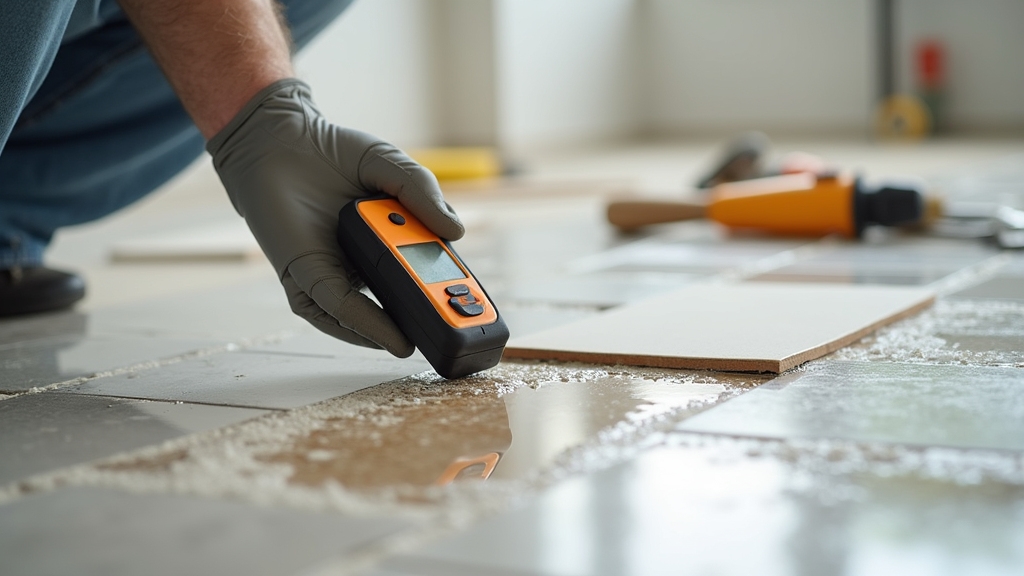
Moisture and water damage are two of the leading culprits behind tile failure.
Improper waterproofing, plumbing leaks, and poor substrate preparation can all contribute to this issue.
Addressing these problems is essential to ensuring a long-lasting and functional tile installation.
Improper Waterproofing Measures
If tile installations don’t have adequate waterproofing measures, you’re likely to experience moisture and water damage issues.
Improper waterproofing can lead to water seeping through the grout lines or behind the tiles, causing the substrate to deteriorate. This can lead to tiles cracking, loosening, or even falling off altogether.
Make sure you use a proper waterproof membrane and apply sealing techniques like silicone caulking around fixtures and edges.
Neglecting waterproofing invites trouble down the line, so it’s essential to get it right from the start.
Addressing waterproofing issues promptly can help prevent more extensive and costly tile failures.
Plumbing Leaks and Condensation
Plumbing leaks and condensation can wreak havoc on tile installations, often leading to extensive water damage. Undetected leaks can saturate the substrate, causing tiles to loosen, crack, or even detach completely. Condensation, on the other hand, can lead to mold and mildew growth, which can compromise the integrity of the tile system. Effective leak detection and moisture control are essential to preventing these issues.
| Causes of Leaks | Impact on Tiles | Preventive Measures | Remediation Steps |
| Faulty plumbing | Substrate damage | Regular inspections | Leak repair |
| Loose connections | Tile detachment | Proper installation | Substrate repair |
| Frozen pipes | Mold and mildew | Waterproofing | Tile replacement |
Poor Tile Substrate Preparation
Improper substrate preparation can severely compromise the longevity of your tile installation. If the surface isn’t properly cleaned, leveled, and primed, you’ll likely experience tile adhesion issues down the line.
Skipping essential steps like substrate moisture testing can lead to costly failures, as excess moisture can prevent the tile adhesive from bonding effectively. Neglecting to use the right underlayment or failing to address uneven floors can also create problems.
Make certain your substrate is clean, dry, and free of contaminants before you start tiling. Take the time to properly prepare the surface, and you’ll enjoy a long-lasting, beautiful tile installation.
Insufficient Substrate Strength
Inadequate subfloor preparation and improper substrate leveling can severely compromise the strength and stability of your tile installation.
When the underlying surface isn’t properly prepared, it won’t provide the necessary support, leading to cracking, shifting, or even complete tile failure.
Ensuring a strong, level substrate is essential for a long-lasting and trouble-free tile project.
Inadequate Subfloor Preparation
If the subfloor isn’t properly prepared, the tiles won’t have the necessary strength to support the expected traffic and weight. Inadequate subfloor preparation can lead to cracks, chips, and loosening of tiles over time. The choice of subfloor materials and installation techniques are vital for a successful tile installation.
| Subfloor Materials | Installation Techniques |
| Plywood | Leveling the surface |
| Cement backer board | Applying the right adhesive |
| Concrete | Ensuring proper curing time |
Paying attention to these details during the preparation stage can prevent costly tile failures down the line. By taking the time to get the subfloor right, you’ll enjoy a durable, long-lasting tile installation.
Improper Substrate Leveling
Ensuring your subfloor is level and sturdy is essential. Failure to properly level the substrate can result in tiles cracking, loosening, or becoming uneven.
Some key considerations include:
- Choosing the right substrate materials, such as cement-based underlayments or self-leveling compounds, to create a smooth, flat surface.
- Employing proper leveling techniques, like using a straightedge or laser level to identify and address high and low spots.
- Allowing sufficient drying time for leveling products before installing tiles to prevent issues down the line.
Neglecting substrate leveling can compromise the structural integrity of your tile installation, leading to costly and frustrating failures.
Taking the time to prepare a level, stable base is vital for a durable, long-lasting tile floor.
Inadequate Tile Selection
Selecting the wrong tile for the job can result in a host of problems down the line. Tile material quality and design compatibility are essential factors to evaluate. Choosing tiles that aren’t suited for the environment or intended use can lead to cracking, chipping, and premature wear.
To guarantee a successful tile installation, evaluate the following criteria:
| Criteria | Residential | Commercial | Wet Areas |
| Traffic Level | Light | Heavy | Moderate |
| Moisture Exposure | Low | Moderate | High |
| Slip Resistance | Minimal | Moderate | High |
| Durability | Moderate | High | High |
Carefully assess your needs and select tiles that meet or exceed the required performance standards. Doing so will save you time, money, and headaches down the road.
Incorrect Tile Installation Methods
Improper tile installation techniques can also contribute greatly to tile failures. Incorrect tile layout patterns, inadequate adhesive application, and improper grouting can all lead to tile cracking, debonding, and other issues.
- Improper tile layout patterns, such as not staggering tiles or not leaving appropriate expansion gaps, can create stress points that lead to cracks and tiles coming loose.
- Inadequate adhesive application, either by using the wrong type of adhesive or not applying enough, prevents proper bonding between the tiles and the substrate.
- Improper grouting techniques, such as using the wrong type of grout or not allowing enough curing time, can cause the grout to fail and lead to water intrusion and other problems.
Improper Grouting Techniques
When grouting tiles, it’s vital to use the right type of grout and follow proper application techniques. Improper grouting can lead to cracked, discolored, or crumbling grout, which compromises the integrity of the entire tiled surface.
Achieving the correct grout consistency is imperative – it should be creamy and easily spreadable, not too dry or too watery. Apply the grout diagonally across the tile joints, pressing it firmly into the spaces.
Wipe excess grout from the tile surface promptly with a damp sponge. Failing to clean the tiles thoroughly can result in a hazy, unappealing finish.
Proper grouting techniques guarantee a durable, long-lasting tiled installation that resists staining and moisture intrusion.
Thermal Expansion and Contraction
Tiles can experience significant thermal expansion and contraction due to temperature fluctuations, which can cause cracking, separation, and failure if not properly accounted for. This thermal stress can be a major factor in tile failures, especially in areas with extreme temperature changes.
- Uneven expansion and contraction between tiles and the underlying substrate can create stress, leading to cracks and delamination.
- Tiles with high coefficients of thermal expansion are more prone to issues, particularly when installed over materials with different expansion rates.
- Inadequate expansion joints can restrict the tile’s ability to move, resulting in buckling, lippage, and breakage over time.
Addressing thermal expansion and contraction is vital for the long-term durability and performance of tiled surfaces.
Careful material selection, proper substrate preparation, and strategically placed expansion joints are essential to mitigate these challenges.
Chemical Exposure and Wear
In addition to thermal stresses, tiles can also fail due to chemical exposure and physical wear over time.
Chemical reactions from acidic or alkaline substances can break down the tile’s surface, leading to discoloration, pitting, and eventually, cracking. Tiles in kitchens and bathrooms are particularly vulnerable to this type of damage.
Furthermore, heavy foot traffic and the use of harsh cleaning products can cause abrasive wear, gradually wearing down the tile’s surface and exposing the underlying material. Over time, this can result in an unsightly, uneven appearance.
Understanding these wear patterns is essential in identifying the root cause of tile failure and implementing appropriate preventative measures, such as using more durable tile materials or implementing a regular cleaning regimen.
Poor Maintenance and Cleaning Practices
Poor maintenance and cleaning practices can also contribute greatly to tile failure. Proper care and attention to your tile surfaces are essential to prevent premature wear and damage.
- Insufficient cleaning frequency: Neglecting regular tile cleaning allows dirt, grime, and spills to accumulate, leading to staining, discoloration, and even structural damage over time.
- Improper cleaning methods: Using the wrong cleaning products or techniques can strip the protective sealant, erode the tile surface, and cause discoloration.
- Lack of maintenance routines: Failing to reseal, regrout, or address cracks and chips in a timely manner can allow moisture and contaminants to seep in, compromising the tile’s integrity.
Frequently Asked Questions
Can Tiles Be Installed Over Existing Flooring?
Yes, you can install tiles over existing flooring, but it’s essential to assess the condition and prepare the surface properly. Explore your flooring options and choose a tile installation method that guarantees a long-lasting, beautiful result.
How Long Does Tile Flooring Typically Last?
Tile flooring typically lasts 15-25 years with proper installation and maintenance. The durability and lifespan of your tile flooring depend on factors like quality, traffic, and care. Regularly cleaning and sealing your tiles can help maximize their lifespan.
Can Tile Be Used in Outdoor Areas?
Yes, tile can be used in outdoor areas. Outdoor tile is designed with durability and weather resistance in mind, using materials that can withstand the elements. Just be sure to select tile specifically made for outdoor use.
How Can I Ensure My Tile Stays Looking New?
To keep your tile looking new, follow these maintenance tips: Regularly clean the tile with a pH-neutral cleaner, reseal it every few years, and avoid harsh chemicals that can damage the surface. Use proper cleaning techniques to preserve the tile’s appearance and longevity.
What Type of Grout Is Best for High-Traffic Areas?
For high-traffic areas, epoxy grout or sanded grout are your best bets. Epoxy grout is more durable and stain-resistant, while sanded grout provides a stronger hold. Either option will help your tiles stay looking fresh in heavy-use spaces.
Final Thoughts
You’ve seen how tile failures often trace back to preventable issues—improper subfloor prep, moisture exposure, incorrect tile selection, and rushed or poor installation practices. Protecting your investment starts long before the first tile is set: evaluate the substrate, choose materials suited to the environment, follow proper adhesive and grouting techniques, and account for movement, thermal changes, and maintenance needs. With a thoughtful approach, your tile surfaces can deliver the durability, safety, and beauty they’re meant to provide for years.
If you want the certainty of a long-lasting, professionally executed installation, partner with Dallas Tile Installers — the trusted experts in precision craftsmanship and tile performance. Whether you need shower tile installation, a full bathroom tile upgrade, specialized kitchen tile installation, or custom design solutions, our team ensures every surface is prepared, set, and sealed for long-term success.
Explore our full range of services, learn more about us, or reach out through our contact page to schedule your consultation today.
Protect your tile investment — and transform your home with confidence — with Dallas Tile Installers.