
When selecting tiles for your shower, prioritize slip-resistance to prevent accidents. Look for a coefficient of friction of 0.5 or higher and a slip resistance value over 36. Textured, matte surfaces provide better traction than smooth, polished finishes. Larger tiles with fewer grout lines reduce tripping hazards. Proper maintenance is key to preserving slip-resistance. Balancing safety and aesthetics is important, and consulting professionals can help you find the perfect tiles that meet your needs. Discover more tips on optimizing shower safety and style.
Key Takeaways
- Prioritize tiles with a high coefficient of friction (COF) of at least 0.5 or a slip resistance value (SRV) of 36 or higher to ensure maximum grip and traction in wet conditions.
- Choose textured or matte tile finishes with varied surface patterns like grooves and ridges to enhance slip resistance, as they provide better grip compared to smooth surfaces.
- Opt for larger tile sizes that reduce grout lines, minimizing tripping hazards and water accumulation, while ensuring an even distribution of traction across the surface.
- Implement a regular cleaning routine using mild, non-abrasive cleaners and soft-bristled brushes to maintain the slip-resistant properties of the tiles over time.
- Consult with tile installation experts to assess your specific shower environment and get personalized recommendations on the most suitable slip-resistant tile options that balance safety and aesthetic appeal.
Importance of Slip-Resistance in Shower Environments
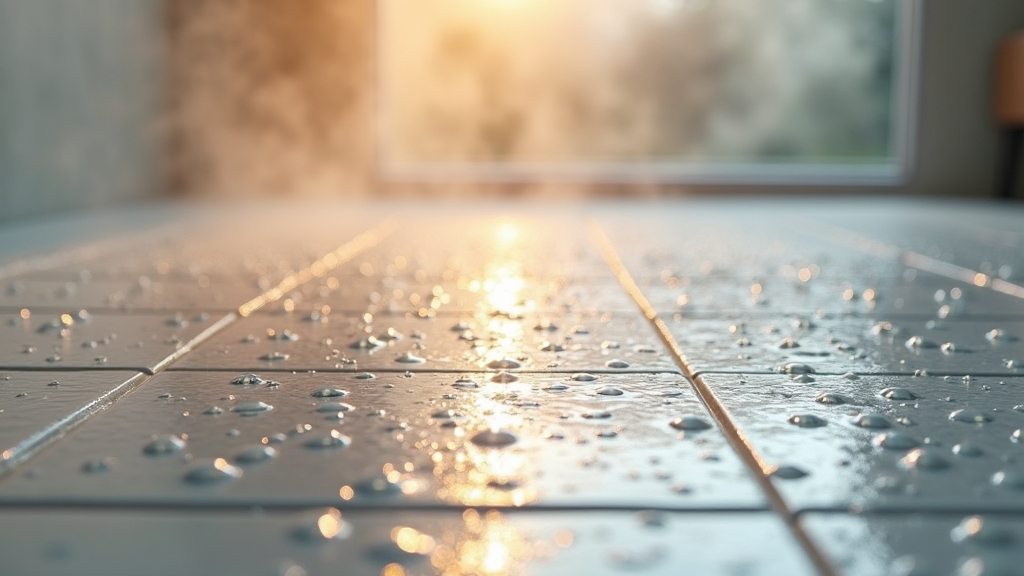
Slip-resistant tiles are vital in shower environments because the combination of water, soap, and bare feet creates a high-risk scenario for falls and injuries.
Shower safety should be a top priority to prevent accidents and guarantee your well-being. Choosing the right slip-resistant tiles can considerably reduce the chances of slipping and falling, which can lead to serious injuries like broken bones or head trauma.
Look for tiles with a high coefficient of friction, which indicates their ability to provide grip and traction, even when wet.
Investing in slip-resistant tiles is a small but essential step towards a safer, more enjoyable shower experience.
Understanding Slip Resistance Ratings
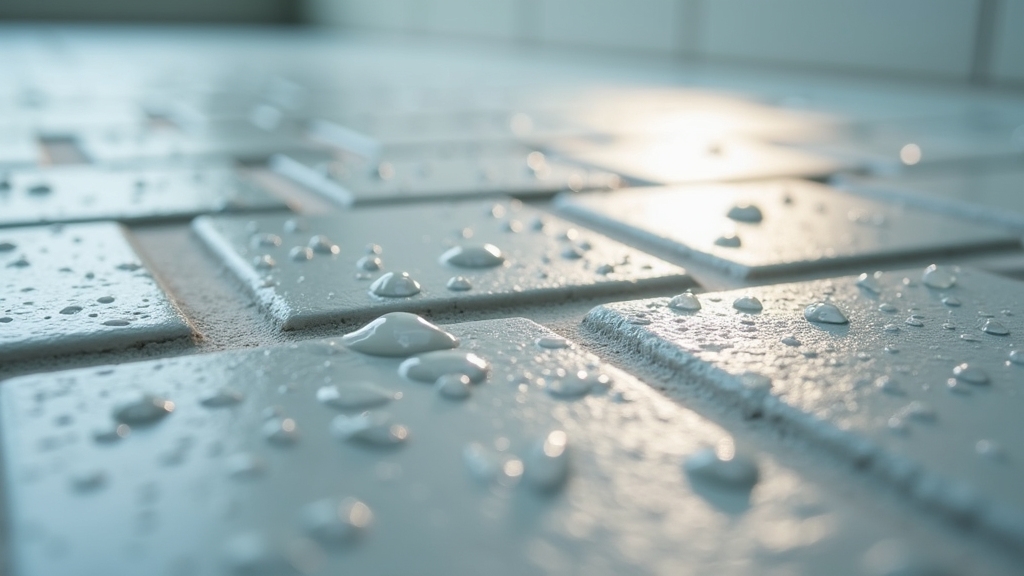
Understanding slip resistance ratings is essential when selecting tiles for your shower.
The most common measurement scales are the Coefficient of Friction (COF) and the Slip Resistance Value (SRV), with minimum thresholds of 0.5 and 36, respectively, recommended for shower environments.
Knowing these standards will help you make an informed choice for a safe and slip-resistant shower floor.
Slip Resistance Measurement Scales
To evaluate the slip resistance of tiles, it’s essential to understand the measurement scales used. Slip resistance standards rely on testing methods that produce quantitative data, like the coefficient of friction (COF) or dynamic coefficient of friction (DCOF). These values range from 0 to 1, with higher numbers indicating better slip resistance.
For wet environments, a DCOF of at least 0.42 is recommended to guarantee adequate traction.
For high-traffic areas, you may want tiles with a DCOF over 0.50 for added safety.
Understanding these measurement scales will help you select the most appropriate slip-resistant tiles for your shower’s needs.
Minimum Slip Resistance Thresholds
Slip resistance ratings provide a clear framework for evaluating the safety of tiles in wet environments.
Minimum slip resistance thresholds are established by safety standards to guarantee floors don’t become dangerously slippery when wet.
Look for tiles with a coefficient of friction (COF) of at least 0.42, which is the minimum recommended for showers and other wet areas.
Tiles with a higher COF, like 0.60 or above, offer even greater slip resistance.
Evaluating Surface Textures for Slip-Resistance
How do you evaluate a tile’s surface texture for slip-resistance? The key is to look for textured surfaces that provide grip. Avoid smooth, glossy finishes, which can be slippery when wet.
Instead, focus on tiles with:
- Varied Surface Patterns: Uneven textures with ridges, grooves, or a matte finish create more traction.
- Slip-Resistant Coatings: Some tiles have specialized treatments that enhance grip, like anti-slip applications.
- Etched or Honed Surfaces: These subtle textures offer more surface area for better friction than polished tiles.
Evaluating the surface finish is essential for choosing slip-resistant tiles that will keep your shower safe and secure.
Choosing the Right Tile Size and Shape
When choosing tiles for your shower, consider slip-resistant textures.
Larger tiles can reduce the number of grout lines, which can improve safety.
Opt for a uniform tile pattern to guarantee even distribution of traction across the surface.
Consider Slip-Resistant Textures
Although tile texture is an essential factor in preventing slips, the size and shape of the tiles also play a notable role.
Consider textured finishes that provide extra grip, such as:
- Matte or honed tiles with a slightly rough surface
- Tiles with a pebbled or dimpled pattern
- Tiles with a slight surface texture, like a subtle linear or radial pattern
These tile patterns can markedly improve traction, especially in wet conditions.
Additionally, larger tiles may offer fewer grout lines, which can contribute to a more slip-resistant surface.
Ultimately, the right combination of tile texture, size, and shape will guarantee a safe, functional shower environment.
Larger Tiles Reduce Grout Lines
In addition to textured finishes, the size and shape of the tiles you choose can also significantly impact the slip-resistance of your shower.
Large format tiles, for example, can reduce the number of grout lines in your shower. Fewer grout lines mean fewer potential tripping hazards and less surface area for water to accumulate. This grout reduction helps maintain traction and prevent slips.
Additionally, larger tiles create a more seamless appearance, lending a modern, high-end look to your shower. When selecting tiles, consider opting for sizable formats that minimize grout lines and maximize slip-resistance for a safer, sleeker shower experience.
Opt for Uniform Tile Patterns
Choosing a uniform tile pattern can further enhance the slip-resistance of your shower. Uniform patterns create an aesthetic uniformity, reducing the visual noise from uneven grout lines. This consistency helps prevent accidental missteps and slips, as your feet won’t catch on uneven surfaces.
- Opt for square or rectangular tiles, as they create a clean, seamless look.
- Choose a tile size that fits your shower dimensions, avoiding awkward cuts or gaps.
- Consider a matte or textured tile surface, as it provides better traction than glossy finishes.
Considering Tile Materials for Slip-Resistance
When selecting tiles for your shower, it’s important to prioritize slip-resistance. Ceramic options are a popular choice, as they offer a textured surface that can provide better traction.
However, you’ll want to verify the ceramic tiles have a high coefficient of friction to prevent slips and falls. Porcelain tiles are another excellent option, as they’re naturally slip-resistant and durable.
The glazed surface of porcelain tiles helps create a safe, non-slippery surface, making them a practical choice for wet areas like showers. Consider the tile’s surface finish, as a matte or textured finish will typically offer more grip than a glossy surface.
Maintaining Slip-Resistance Through Proper Cleaning
Proper cleaning is essential to maintaining the slip-resistance of your shower tiles. Neglecting tile maintenance can lead to a buildup of soap scum, grime, and mildew, compromising the tiles’ traction.
To keep your shower tiles slip-resistant:
- Use a mild, non-abrasive cleaner and a soft-bristled brush to gently scrub the tiles. Avoid harsh chemicals or abrasive pads that can wear down the tile surface.
- Rinse the tiles thoroughly after cleaning to remove any residual cleaner. Leftover soap or chemicals can make the tiles slippery.
- Wipe down the tiles regularly with a microfiber cloth to prevent water spots and mineral buildup, which can also reduce slip resistance.
Following these cleaning techniques will help preserve the slip-resistant properties of your shower tiles, ensuring a safe and secure footing every time you step in.
Ensuring Proper Tile Installation for Slip-Resistance
While proper cleaning is essential, guaranteeing the tiles are installed correctly is equally important for maintaining slip-resistance in your shower. Proper tile installation techniques play a significant role in creating a safe, slip-resistant surface.
| Tile Installation Technique | Benefit |
| Applying a Suitable Mortar | Guarantees a strong bond between the tile and substrate, preventing movement and reducing slip risks. |
| Maintaining Grout Joints | Adequate spacing between tiles allows for expansion, preventing cracks that could compromise slip resistance. |
| Choosing Textured Tiles | Provides a more slip-resistant surface compared to smooth tiles, especially in wet environments. |
| Guaranteeing Proper Slope | A slight slope towards the drain prevents water pooling and improves drainage, reducing slip hazards. |
Balancing Slip-Resistance With Aesthetic Considerations
Although slip-resistance is a crucial consideration for shower tiles, you also want to choose a design that complements your bathroom’s aesthetic.
Balancing these two factors can be a delicate act, but with some planning, you can find tiles that are both safe and visually appealing.
When evaluating tile options, consider these aspects:
- Design Integration: Look for tiles that seamlessly blend with your existing decor, whether it’s a classic, modern, or rustic style.
- Aesthetic Balance: Choose a color, pattern, or texture that adds visual interest without overwhelming the space.
- Slip-Resistance Rating: Verify the tiles meet or exceed the recommended slip-resistance rating for wet areas.
Consulting Professionals for Personalized Recommendations
If you’re unsure about which tiles will strike the right balance between safety and aesthetics, consulting with professionals can provide personalized recommendations.
Tile installation experts can assess your specific shower environment and guide you towards slip-resistant options that complement your design preferences. They’ll consider factors like foot traffic, water exposure, and surface texture to suggest tiles that prioritize safety without compromising your desired aesthetic.
Don’t hesitate to seek expert advice – it can save you time and guarantee you choose the best tiles for your shower.
With their help, you’ll find slip-resistant tiles that both meet safety standards and elevate the style of your bathroom.
Frequently Asked Questions
How Do I Choose the Best Grout Color for Slip-Resistant Tiles?
Consider grout colors that complement the tile’s hue to create a cohesive look. Lighter grout works well with darker tiles, while darker grout complements lighter tiles. Ultimately, choose a grout color that blends harmoniously with the slip-resistant tile you’ve selected.
Can I Use Slip-Resistant Tiles in Areas Other Than the Shower?
You can use slip-resistant tiles in other areas like kitchen floors and entryway tiles. These tiles provide excellent traction and safety, making them a smart choice for any high-traffic or potentially wet spaces in your home.
What Is the Recommended Tile Size for Small Shower Spaces?
For small shower spaces, smaller tile dimensions like 12×12 or 8×8 inches are recommended. These compact tile sizes can enhance the design aesthetics and maintain slip resistance in the confined area.
How Do I Clean Slip-Resistant Tiles to Maintain Their Grip?
To maintain the grip of your slip-resistant tiles, use a mild cleaning solution and soft-bristle brush. Avoid harsh cleaners that can wear down the textured surface. Regular maintenance is key to keeping your tiles safe and slip-resistant.
Can I Install Slip-Resistant Tiles Myself or Do I Need a Professional?
You can install slip-resistant tiles yourself, but it’s generally best to have a professional do it. DIY installation can be tricky, while a pro will guarantee proper prep and secure placement to maintain the tiles’ slip-resistant properties.
Final Thoughts
Choosing slip-resistant tiles for your shower ultimately comes down to balancing safety with style. Prioritizing tiles with strong slip-resistance ratings, selecting the right textures and materials, and ensuring proper installation all play a major role in preventing accidents. With thoughtful cleaning routines and maintenance, your shower can stay both secure underfoot and visually cohesive with the rest of your bathroom design. When in doubt, professional guidance can help you navigate ratings, materials, and layout choices so you can create a shower that’s as safe as it is beautiful.
If you’re ready to upgrade your shower with dependable slip-resistant tile solutions, trust Dallas Tile Installers — your local specialists in safe, stylish, and expertly crafted tile installations. Whether you’re planning a complete shower tile installation, a full bathroom tile renovation, or a custom design for better traction and visual appeal, our professionals ensure every detail is handled with precision.
Explore our full range of services, learn more about us, or schedule your consultation through our contact page today.
Create a safer, more stylish shower — one tile at a time — with Dallas Tile Installers.