
Choosing the right tile color for your kitchen isn’t just about aesthetics; it sets the mood for your entire space. Consider how your kitchen style and natural light play a role in your decision. It’s important to think about how colors can influence your cooking experience and the overall atmosphere. As you explore options, you’ll discover that the perfect shade can elevate your kitchen’s design considerably. What factors should you prioritize in this decision?
Key Takeaways
- Assess your kitchen style—modern, traditional, or eclectic—to determine suitable tile colors and achieve a cohesive design.
- Test tile colors with samples in various lighting to understand their appearance at different times of day.
- Consider color psychology: warm tones energize the space, while cool hues promote calmness and tranquility during cooking.
- Evaluate tile finishes; glossy tiles enhance vibrancy, while matte tiles offer softer, muted colors for a more subtle look.
- Establish a budget for tiles and installation, accounting for unexpected costs to ensure a balanced and satisfying kitchen environment.
Understanding the Role of Tile Color in Kitchen Design

When you choose tile color for your kitchen, you’re not just picking a shade; you’re setting the tone for the entire space. Tile color symbolism plays an important role in conveying emotions and creating an inviting atmosphere. For instance, warm colors like reds and oranges can energize the room, while cool hues like blues and greens promote calmness.
Understanding how these colors interact is key to effective design. You’ll want to reflect on tile color combinations that complement your cabinets and countertops. A contrasting color can make a statement, while similar shades can create a cohesive look.
Don’t forget about the lighting in your kitchen, as it can alter how colors appear.
Ultimately, choosing the right tile color isn’t just about aesthetics; it’s about crafting a space that feels just right for your lifestyle. So take your time, explore options, and let your kitchen reflect your personality.
Identifying Your Kitchen Style: Modern, Traditional, or Eclectic?
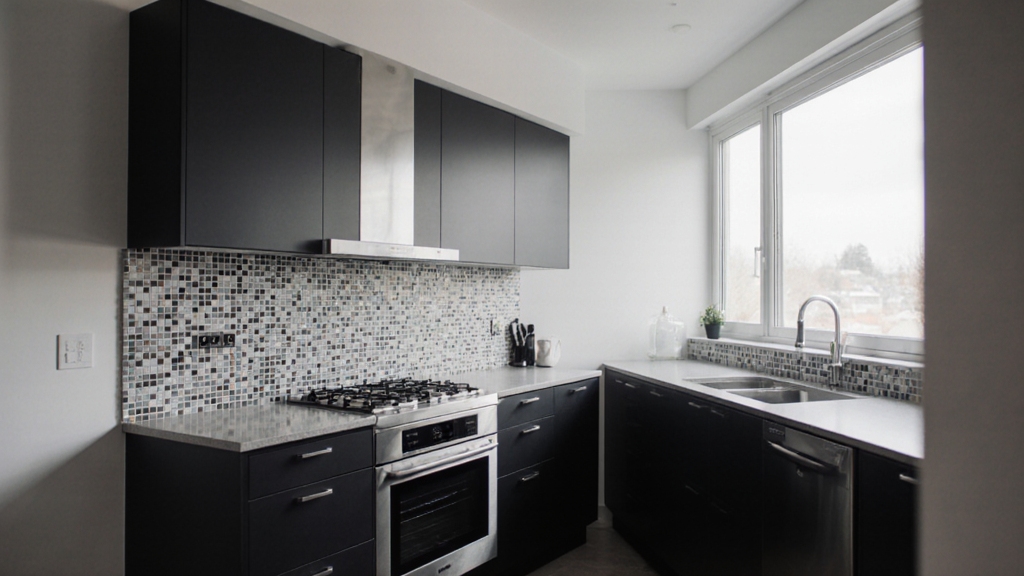
Choosing the right tile color starts with understanding your kitchen’s overall style—whether it’s modern, traditional, or eclectic.
Understanding your kitchen’s style—modern, traditional, or eclectic—is key to selecting the perfect tile color.
If your kitchen leans towards modern, look for tiles with clean lines and bold, neutral colors. Incorporating modern accents like metallic finishes can enhance the sleek feel.
For a traditional kitchen, opt for warmer hues and classic patterns that reflect traditional elements, such as intricate designs or earthy tones.
If your style is eclectic, you have the freedom to mix and match. Consider using a combination of colors and patterns that complement each other while still reflecting your personality. This approach creates a unique look that showcases various influences.
Ultimately, identifying your kitchen style will guide you in selecting a tile color that not only fits but also enhances the overall aesthetic of your space.
How Natural Light Influences Tile Choices
Natural light plays a huge role in how your tile colors appear in the kitchen.
Depending on the amount of sunlight, light-reflective tiles can brighten your space, while warm or cool tones can shift in appearance throughout the day.
Choosing the right tile color can enhance or diminish the natural light you get, so it’s worth considering.
Light Reflection Impact
Light plays an essential role in how tile colors are perceived in your kitchen. When choosing tiles, consider how natural light will interact with them throughout the day.
Light reflection can drastically influence tile brightness, making darker colors feel heavier and more enclosed, while lighter shades can brighten up your space. If your kitchen receives ample sunlight, you might want to opt for tiles that reflect light well, enhancing brightness and creating a more open atmosphere.
Conversely, if your kitchen lacks natural light, darker tiles can add depth and warmth. Ultimately, think about how tile colors will work with the changing light conditions to achieve the perfect balance in your kitchen’s design.
Warm vs. Cool Tones
When selecting tiles for your kitchen, the impact of warm and cool tones can greatly shape the room’s overall feel and ambiance.
Warm color palettes, like yellows, oranges, and earthy tones, create a cozy, inviting atmosphere, perfect for family gatherings. If your kitchen receives a lot of natural light, these tones can enhance that warmth.
On the other hand, cool color schemes, such as blues, greens, and grays, promote a calm and invigorating vibe. They work well in spaces with less sunlight, as they can make the area feel larger and brighter.
Consider how the natural light interacts with these tones to choose tiles that complement your kitchen’s unique character and functionality.
How Color Psychology Affects Kitchen Design
When you choose tile colors for your kitchen, think about how they’ll affect your mood.
Warm colors can inspire energy and excitement, making your space feel lively.
On the other hand, cool colors promote calmness, creating a soothing atmosphere for cooking and gathering.
Warm Colors Inspire Energy
Warm colors like reds, oranges, and yellows can transform your kitchen into a vibrant space that sparks energy and creativity.
By incorporating these hues, you can create an energetic atmosphere that makes cooking and gatherings more enjoyable.
Here are some benefits of using warm colors:
- Stimulates Appetite: Warm tones can enhance your dining experience by making food look more appetizing.
- Fosters Creativity: A lively environment encourages innovative cooking and entertaining ideas.
- Promotes Social Interaction: Warm colors create a welcoming vibe, perfect for engaging with family and friends.
- Boosts Mood: Vibrant hues can elevate your spirits, making your kitchen a cheerful place to spend time.
Embrace warm colors and watch your kitchen come alive!
Cool Colors Promote Calm
Cool colors, such as blues, greens, and purples, can create a serene atmosphere in your kitchen, allowing you to unwind and enjoy the cooking process.
When you choose calming hues, you invite tranquility into your space, making it a perfect retreat from daily stress. A soft blue backsplash or mint green tiles can evoke a sense of peace, helping you feel more relaxed while preparing meals.
These colors not only enhance the aesthetic appeal but also positively influence your mood. Consider how these shades can balance the energy in your kitchen, promoting calmness and clarity.
How to Match Tile Colors With Cabinets and Countertops
How do you create a harmonious look in your kitchen by matching tile colors with your cabinets and countertops? Achieving a cohesive design involves understanding cabinet color coordination and applying effective tile contrast techniques. Here are some tips to guide you:
- Choose a Dominant Color: Pick a tile color that complements your cabinets or countertops to create a unified feel.
- Consider Contrast: Use contrasting tile colors to highlight specific features, like a backsplash, while guaranteeing it still harmonizes with the overall palette.
- Match Undertones: Pay attention to the undertones of your cabinets and countertops; warm tones pair well with earthy tile colors, while cool tones work better with grays or blues.
- Sample Before Committing: Always test tile samples against your cabinets and countertops in different lighting to confirm you’re happy with the combination.
Following these steps will help you achieve a polished kitchen look!
Top Tile Color Trends for Modern Kitchens
Modern kitchens are embracing a variety of tile colors that bring excitement and personality to the space. You’ll find bold color choices like deep blues, vibrant greens, and rich terracotta making a statement. These hues can transform your kitchen into a lively gathering spot.
Additionally, tile pattern combinations are gaining popularity, allowing you to express your unique style. Consider mixing geometric shapes with solid colors for a stunning visual effect. This approach not only adds depth but also creates an inviting atmosphere.
Tile pattern combinations are trending, inviting you to showcase your style with geometric shapes and solid colors for a captivating look.
Another trend is the use of matte finishes, which offer a sophisticated look while reducing glare. Soft neutrals are still in vogue, but they now often pair with striking accents to create balance.
As you explore these trends, think about how they align with your overall vision for your kitchen. Embracing these tile color trends can elevate your space, making it both functional and aesthetically pleasing.
Tips for Testing Tile Colors
Wondering how to guarantee your chosen tile color truly complements your kitchen? Testing tile colors before making a final decision is essential. Here are some tips to help you effectively assess your options:
- Create a Test Board: Use a large piece of cardboard or plywood to display your color samples. This helps visualize how different tiles will look together.
- Consider Lighting: Examine your test board in various lighting conditions—natural light, overhead lights, and evening light—to see how colors change.
- Pair with Existing Elements: Place your color samples next to your cabinets, countertops, and appliances. This makes sure the tiles harmonize with your kitchen’s overall design.
- Live with It: Leave the test board up for a few days. Observe how the colors make you feel during different times of the day.
How Tile Finish Changes the Way Colors Look
While you might focus on the color of your tiles, the finish you choose can dramatically alter their appearance. Glossy finishes reflect light, enhancing color saturation and making hues appear more vibrant. If you want your kitchen to feel bright and lively, glossy tiles could be an excellent choice.
The finish of your tiles can transform their look, with glossy finishes brightening colors and creating a vibrant atmosphere.
On the other hand, matte finishes absorb light, resulting in softer, more muted colors. This can create a warm, inviting atmosphere, perfect for a cozy kitchen.
Textured surfaces add another layer of complexity. They can create shadows and highlights, affecting how colors are perceived. A textured tile might make a color look deeper, while a smooth tile could give it a more uniform appearance.
Ultimately, consider how these finishes will interact with your chosen colors to achieve the desired effect in your kitchen. Balancing color and finish will help you create a space that feels just right.
Budgeting for Tile Selection and Installation
Budgeting for tile selection and installation can feel overwhelming, but breaking it down into manageable steps makes it easier.
Start by establishing your overall budget, keeping these key factors in mind:
- Tile Costs: Research different tile options and their prices. Ceramic tiles are generally more affordable than natural stone.
- Installation Costs: Factor in the cost of hiring a professional installer, if needed. Labor costs can vary greatly based on your location.
- Extras: Don’t forget about additional expenses like grout, adhesives, and underlayment, which can add up quickly.
- Contingency Fund: Set aside at least 10% of your budget for unexpected expenses that may arise during the installation process.
Frequently Asked Questions
How Do I Maintain My Tile’s Color Over Time?
To maintain your tile’s color, regularly use effective tile cleaning techniques. Consider color sealing options to protect against fading and stains, ensuring your tiles stay vibrant and beautiful for years to come.
Can I Mix Different Tile Colors in My Kitchen?
Yes, you can mix different tile colors in your kitchen! Just be mindful of color combinations to achieve design harmony. Experiment with contrasting or complementary shades to create a stunning and cohesive look that reflects your style.
What Tile Colors Are Best for Small Kitchens?
Light colors are best for small kitchens, creating an illusion of space. Opt for reflective surfaces, like glossy tiles, to enhance brightness. These choices help your kitchen feel larger and more inviting, maximizing your area’s potential.
Should I Consider Resale Value When Choosing Tile Colors?
Yes, you should consider resale value when choosing tile colors. Resale trends often reflect color popularity, so selecting neutral or widely appreciated shades can attract potential buyers and enhance your kitchen’s appeal in the market.
How Often Should I Update My Kitchen Tile Color?
You should update your kitchen tile color every 5 to 10 years. Staying aware of tile trends and understanding color psychology keeps your space fresh and inviting, ensuring it remains a reflection of your style.
Final Thoughts
Choosing the right tile color for your kitchen can truly transform the look and feel of your space. When you carefully consider your kitchen’s style, the amount of natural light, and how each shade interacts with your cabinets, countertops, and finishes, you can create a cohesive design that reflects your personality and enhances your everyday cooking experience. Testing colors in different lighting and paying attention to finishes—glossy vs. matte—will help you land on a palette that’s both beautiful and practical.
If you’re ready to bring your vision to life, the professionals at Dallas Tile Installers can help you choose tile colors that work perfectly with your layout and lifestyle. From thoughtful custom tile design to expert kitchen tile installation, our full range of tile services is tailored to create a kitchen that’s as functional as it is inviting.
Whether you’re updating an existing kitchen or planning a full renovation in the Dallas area, we’d love to help you select the ideal tile color and finish for your project. Contact Dallas Tile Installers today to discuss your ideas, request a quote, or schedule a consultation, and take the next step toward a kitchen you’ll enjoy for years to come.